
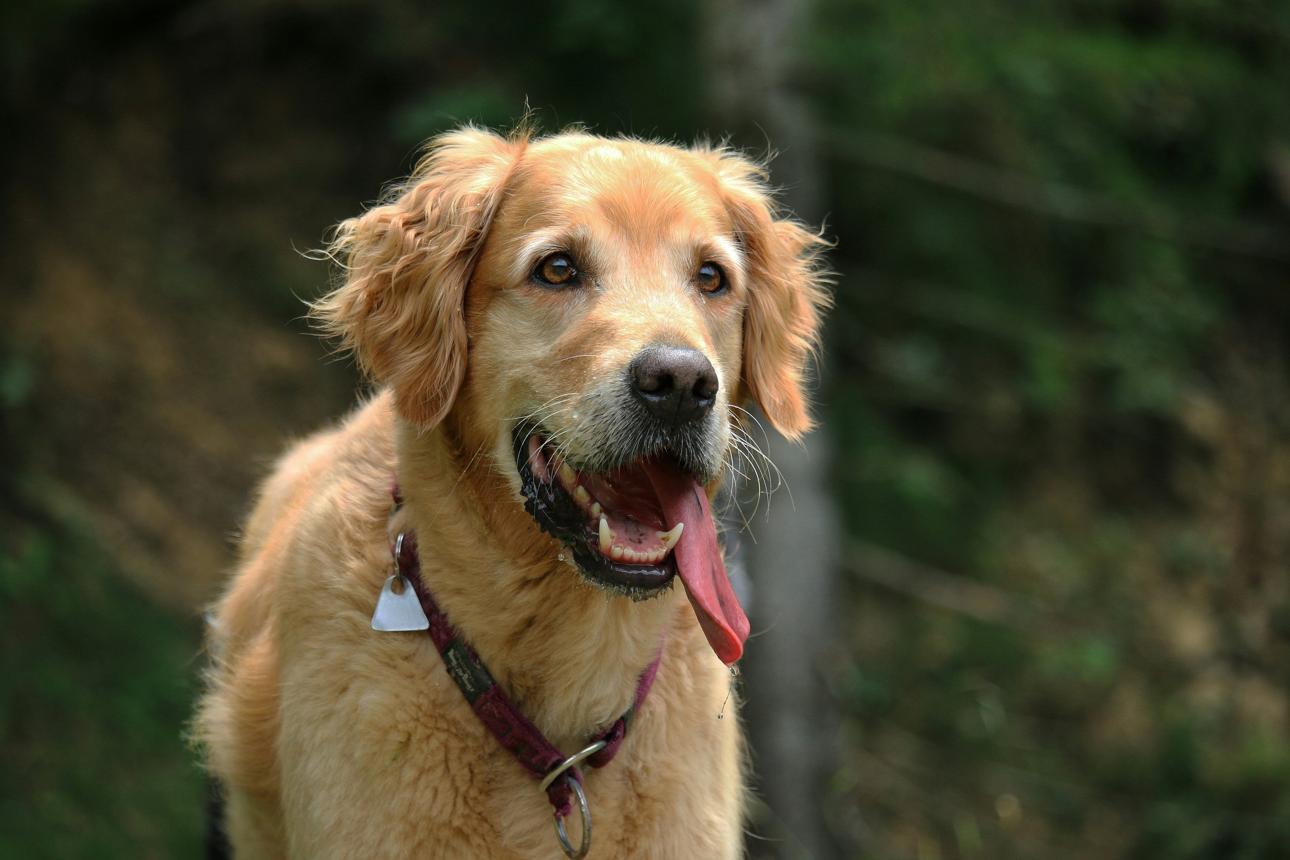
Excessive Panting in Dogs: Causes, Symptoms & When to Call a Vet
Why Is My Dog Panting? Common Causes, Warning Signs & When to Worry
Panting is a normal behavior in dogs and one of the primary ways they regulate their body temperature. Unlike humans, dogs cannot sweat efficiently through their skin, so they rely on panting to cool themselves down.
While panting is often completely normal, excessive or unexplained panting can sometimes indicate an underlying medical condition that requires veterinary attention.
Common Causes of Panting in Dogs
There are several normal reasons why dogs pant.
Exercise
After physical activity, dogs pant to release heat and help their bodies cool down. Increased panting after a walk, run, or play session is generally expected.
Heat and Warm Weather
Dogs are more likely to pant when temperatures rise. Panting helps regulate body temperature and prevent overheating.
Excitement
Many dogs pant when they are excited, happy, or anticipating something enjoyable, such as a walk, car ride, or meeting new people.
Stress and Anxiety
Panting can also occur when dogs are nervous or stressed. Loud noises, travel, veterinary visits, or unfamiliar environments may trigger increased panting.
When Panting May Be a Cause for Concern
Although panting is often normal, certain situations warrant closer attention.
You should consult a veterinarian if your dog is panting:
- Without recent exercise or heat exposure
- While resting or sleeping
- Excessively or suddenly
- Alongside weakness or lethargy
- With pale, blue, or gray gums
- Alongside coughing
- With difficulty breathing
- After possible toxin exposure
- With collapse or disorientation
These symptoms may indicate respiratory disease, heart disease, pain, heat stroke, or other serious medical conditions.
Could My Dog Be Overheating?
Heat-related illness can become life-threatening very quickly.
Signs of overheating include:
- Heavy or rapid panting
- Bright red gums
- Excessive drooling
- Weakness
- Vomiting
- Difficulty walking
- Collapse
If you suspect heat stroke, move your dog to a cool area immediately and contact a veterinarian as soon as possible.
How to Monitor Your Dog's Panting
Pay attention to:
- When the panting occurs
- How long it lasts
- Whether it occurs during activity or at rest
- Any accompanying symptoms
Keeping track of these details can help your veterinarian determine whether the panting is normal or related to an underlying health issue.
When to Contact a Veterinarian
If your dog's panting seems unusual, excessive, or is accompanied by other symptoms, it is always best to seek professional advice. Early evaluation can help identify potential problems before they become more serious.
Get Expert Veterinary Guidance with Vetzi
Not sure if your dog's panting is normal? Vetzi provides convenient access to licensed veterinarians who can assess your dog's symptoms and guide you on the appropriate next steps.
Visit www.myvetzi.com to connect with a veterinary professional today.